


































A supplement is third party tested when an independent lab, not the company that sells it, checks what is in the bottle and confirms the label is accurate. To verify it yourself, look for a named certification like NSF, USP, or Informed Choice, or find a Certificate of Analysis you can match to the lot number printed on your bottle. A logo on the front of a label is not proof. A document you can actually read is.
The supplement industry is not pre-approved by the FDA the way prescription drugs are. That means the burden of proof sits with the brand, and the job of checking sits with you.
The good news: the checks are simple once you know what to look for. Here is how to do them.
What Does "Third Party Tested" Actually Mean?
Third party testing means a lab with no financial stake in the product tests it and reports what it finds. "Third party" is the key phrase. The brand is the first party, the customer is the second, and an independent lab is the third. When a company tests its own product in its own facility and calls it "lab tested," that is first party testing. It can still be accurate, but no one outside the company has verified it.
A real third party test looks at some or all of the following: identity (is the ingredient what the label says), potency (is the amount what the label says), and contaminants (heavy metals, pesticides like glyphosate, allergens, microbes, and for sport products, banned substances). The result is written up in a Certificate of Analysis, or COA. That document is the actual proof. Everything else is a claim about the proof.
What Does NSF Certified Mean?
NSF is an independent public health organization that tests and certifies supplements. When you see the NSF mark, it means NSF confirmed the product contains what the label says and does not contain unsafe levels of specific contaminants.
There are two NSF programs worth knowing apart. NSF's standard product certification confirms label accuracy and screens for contaminants. NSF Certified for Sport goes further and screens for hundreds of substances banned in competitive sport, which is why many professional and college athletes only use products carrying that mark. If a brand says "NSF certified," it is fair to ask which of the two it holds, because they are not the same promise.
USP Verified vs Informed Choice: What Is the Difference?
Both are independent certifications, but they check different things and matter to different buyers. Here is the quick version.
| Certification | Run by | Mainly checks | Best for |
|---|---|---|---|
| USP Verified | U.S. Pharmacopeia | Ingredient identity and amount, contaminants, dissolution, good manufacturing practices | Anyone wanting a broad purity and accuracy mark |
| Informed Choice | LGC (anti-doping lab) | Banned substances, tested monthly | Athletes wanting banned-substance assurance |
| Informed Sport | LGC (anti-doping lab) | Banned substances, every batch tested before release | Tested competitive athletes |
| NSF Certified for Sport | NSF | Label accuracy, contaminants, hundreds of banned substances | Athletes and anyone wanting the strictest all-round mark |
The simple way to hold them apart: USP is mostly about purity and accuracy, Informed Choice and Informed Sport are mostly about banned substances, and NSF does both depending on the program.
How to Check if a Supplement Is Third Party Tested
You can verify almost any product in a few minutes. Here is the walkthrough.
- Look for a named certification, not just a phrase. "Lab tested" or "third party tested" printed on a label means nothing on its own. Look for a specific mark: NSF, NSF Certified for Sport, USP Verified, Informed Choice, or Informed Sport, or a brand that publishes its actual lab results.
- Find the Certificate of Analysis (COA). A brand that tests should be able to show you the document. Look for a "Lab Results," "Testing," or "COA" link on the product page or in the site footer. If you cannot find one anywhere, treat that as an answer.
- Match the COA to your lot number. Real testing is done per batch. The strongest proof is a COA tied to the exact lot number printed on your bottle, not a single generic certificate for the whole product line.
- Read what was actually tested. A meaningful COA shows identity and potency plus contaminant screens: heavy metals (lead, arsenic, cadmium, mercury), allergens, pesticides such as glyphosate, and microbial safety. A certificate that only lists protein content is not a full picture.
- Confirm the lab is independent and named. The report should name the lab that ran it. If the testing was done in-house with no outside lab named, it is first party testing, not third party.
- Check the date. Formulas, suppliers, and batches change. A COA from three years ago tells you less than one tied to a recent lot.
If a product clears all six, you are looking at a genuinely verified supplement. If it stalls at step one or two, the brand is asking you to trust the claim without showing the proof.
How Do You Verify a Lot Number?
The lot number (sometimes called a batch or lot code) is usually stamped near the expiration date on the bottom or back of the container. It identifies the specific production run your product came from.
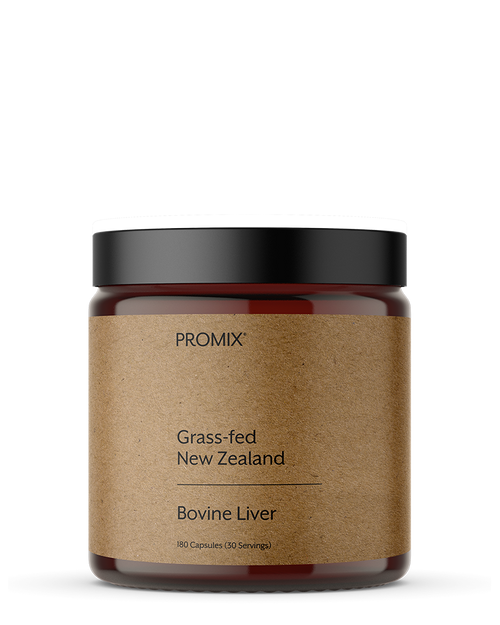
To verify it, find the brand's lab results page and look for a lookup tool or a list where you can search or match your lot number to its Certificate of Analysis. The COA for your lot should show the test results for that exact run. If a brand publishes results at the lot level, that is one of the strongest signals of real testing you can find, because it means every batch is checked and documented, not just the first one off the line. Promix does exactly this: you can enter the code from your product on the Third Party Testing page and pull up the independent lab results for that batch.


If a brand cannot connect your specific lot to any test result, the testing claim is weaker than it looks, even if a certificate exists somewhere on the site.
Are Supplement Labels Trustworthy?
Sometimes, and the point of this guide is that you do not have to guess. Labels are self reported. Studies over the years have found products that were under-dosed, over-dosed, or contained ingredients not listed at all. That is not a reason for alarm, it is a reason to verify.
Two label tricks are worth watching for. A "proprietary blend" lists several ingredients under one total weight, so you cannot see how much of each you are getting, which can hide a tiny amount of an expensive ingredient behind a large amount of a cheap one. And "fairy dusting" is including just enough of a marketable ingredient to name it on the label, but far below the amount that does anything. A transparent label shows the amount of each active ingredient, and a third party test confirms those amounts are real. When both are present, the label has earned your trust.
When a "Tested" Claim Still Isn't Enough
Is Promix Third Party Tested?
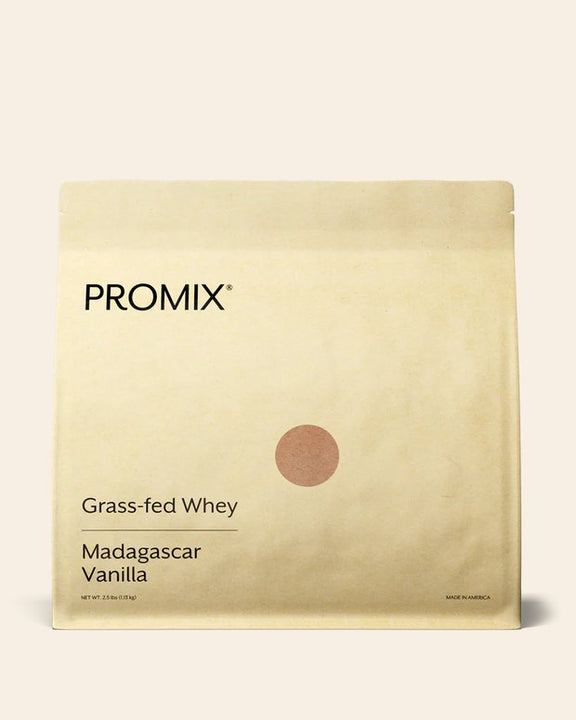
Yes. Every Promix batch is tested by independent labs, and the results are published and tied to lot numbers you can look up yourself. Promix does not just show a testing badge, it publishes the actual lab document behind each batch, with screens for heavy metals, allergens, and glyphosate. Enter the lot code from your product on the Third Party Testing page and read the independent results for that exact batch.
How Promix Approaches Testing
Promix publishes real lab results, not just a testing badge. Every batch is tested by independent third party labs, and the results are tied to lot numbers you can look up yourself. Rather than pointing at a single seal, Promix shows the actual document behind each batch. The screens include heavy metals, allergens, and glyphosate, with the specifications published in plain numbers.

What Every Batch Is Screened For
Promix products are made in GMP certified facilities, are non-GMO, and follow the No Artificial Anything standard: no artificial colors, flavors, or sweeteners. The reason for showing the documents instead of just claiming them is simple. In a category where you are trusting a product with your body, proof you can read beats a promise you have to take on faith.
Start With a Clean, Tested Product


These statements have not been evaluated by the Food and Drug Administration. This product is not intended to diagnose, treat, cure or prevent any disease.
Check the Proof for Yourself
Have a Promix product on hand? Look up its lot number and read the independent lab results for that exact batch.
Verify Your Lot Number